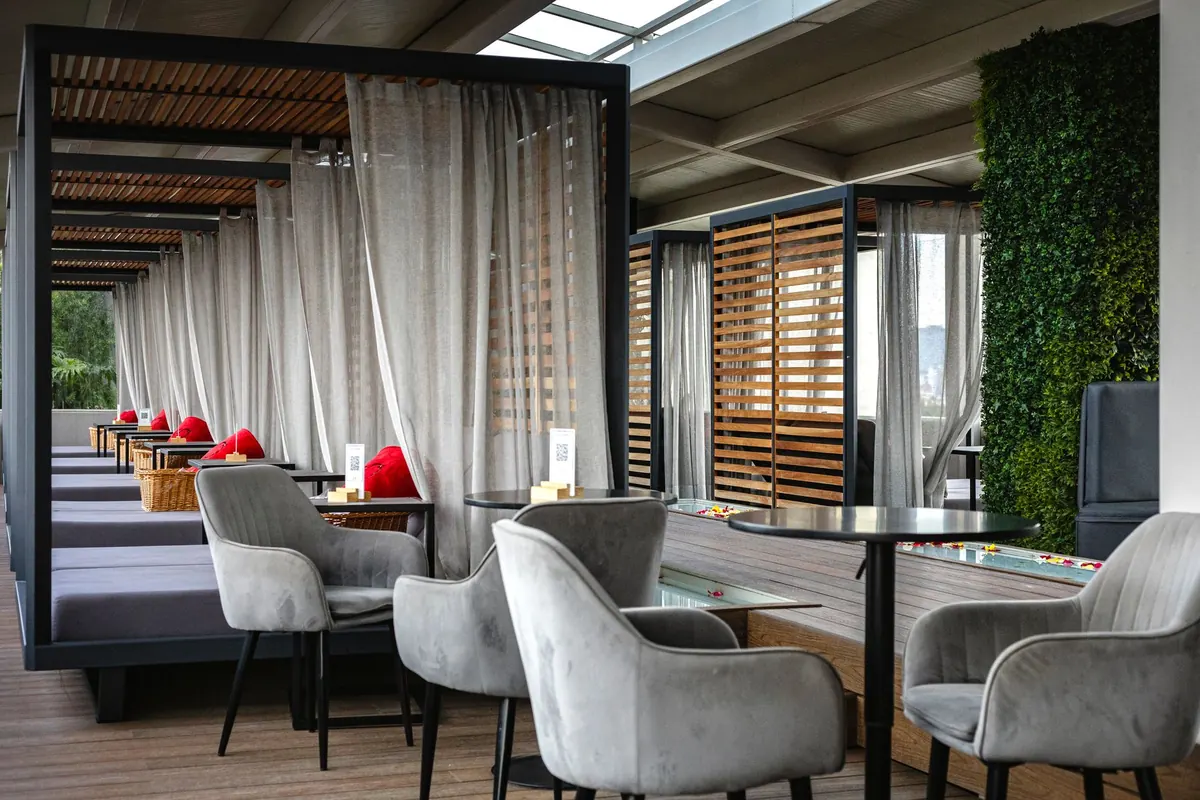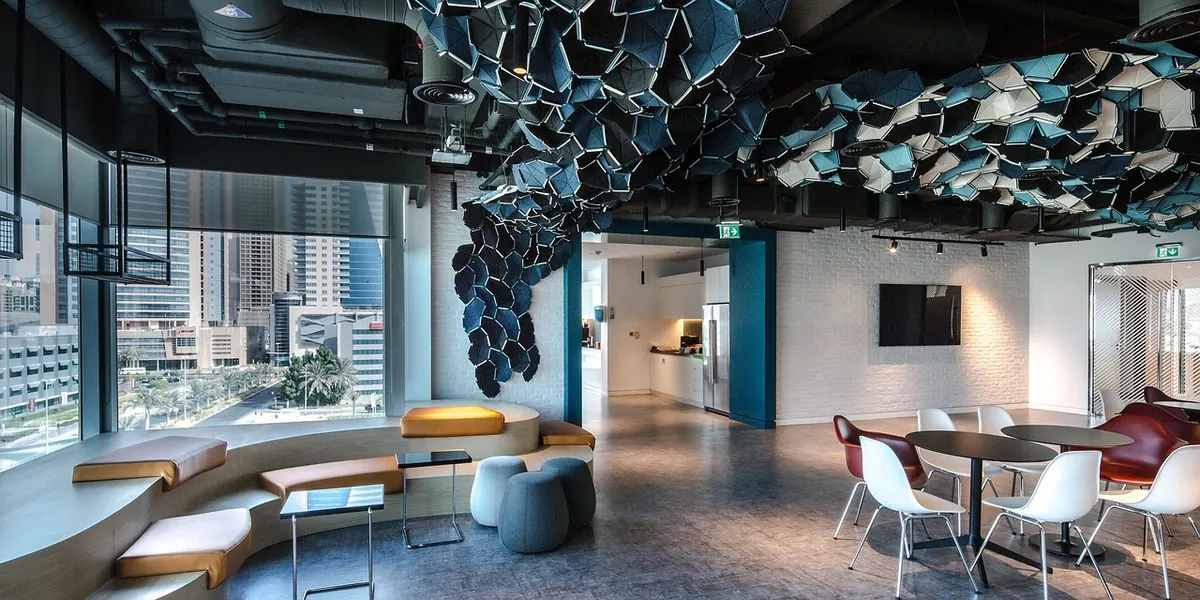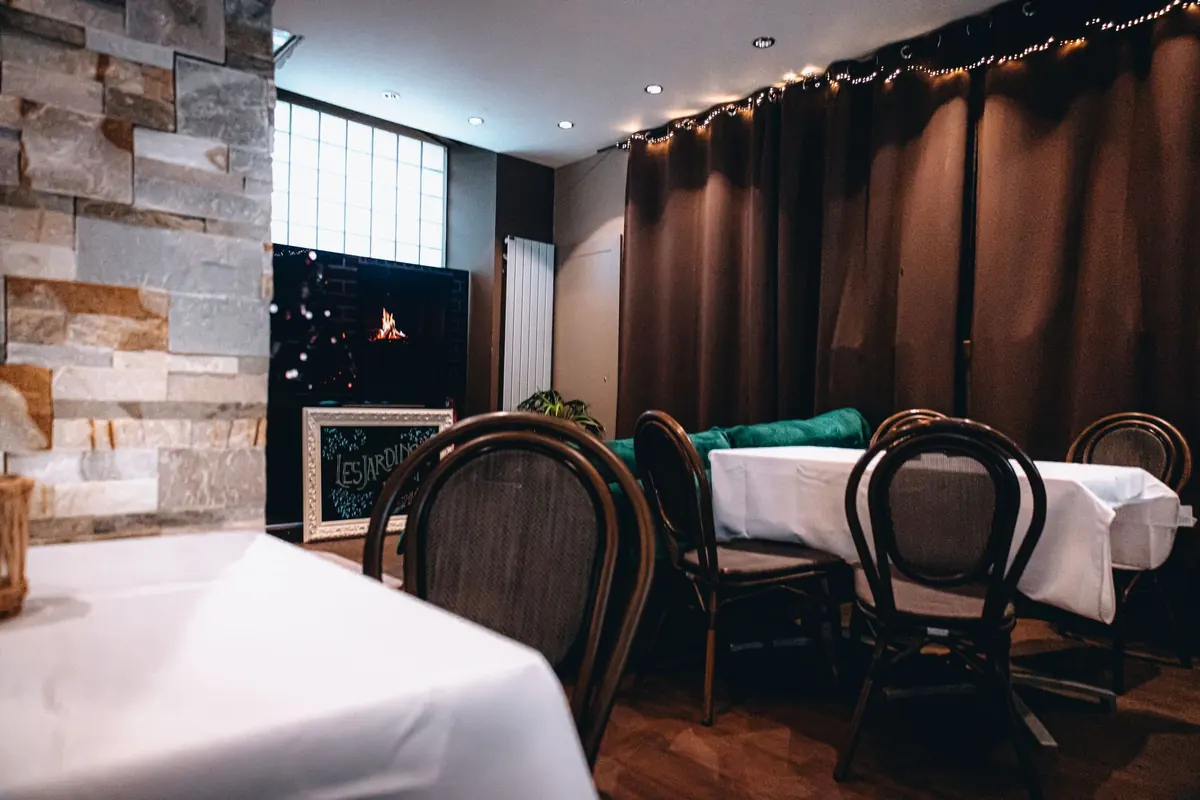
An intimate lounge event is a strange and lovely thing to plan. You have enough people to fill a room with noise, and not enough to hide behind a crowd. That means the details show. A chair that blocks the bar. A playlist that is already too loud at 8:30. A tray of food that lands when everyone has eaten. The good news is that small events are almost entirely within your control: with a modest guest list you can shape the layout, the food, the sound and the timing down to the minute, and still leave room for the evening to surprise you. What follows is the order in which these decisions tend to matter.
Start With the Guest List, Not the Room
Most hosts rearrange the furniture first and worry about numbers later. Work the other way around. The guest list sets the shape of everything: how much seating you need, how many trays go round, whether the music has to compete with fifty voices or twenty.
The number worth protecting
Choose a comfortable number and a hard ceiling, and keep them a little apart. A lounge with low seating and standing clusters holds noticeably fewer people comfortably than the same room set up for a standing reception. Walk it yourself: if four clusters of low chairs plus a bar and a food table leave you squeezing past people to reach the bathroom, you are already full. It is far easier to defend a smaller list at the invitation stage than to rescue a room that feels cramped at nine o'clock.
- Two lists, one invitation. Write down the people you would genuinely be glad to see, then the people whose absence would be noticed. Invite from the overlap, not the union.
- Group by cluster. Note who knows whom. Three or four small knots of familiar faces mix faster than a room of polite strangers.
- Flag the floaters. Two or three guests will know almost nobody. Decide in advance who introduces them, and to whom.
- Keep a reserve. Four or five names for late cancellations, so a thin evening can be topped up without a scramble.
- Apply the plus-one rule consistently. Whatever you decide, say it clearly on the invitation so nobody has to guess.
Lay Out the Room for Conversation
A lounge works when it creates pockets. One long row of chairs and one big circle both fail for the same reason: a group of twelve cannot hold a single conversation, so it splits into awkward halves. Aim instead for three or four loose clusters of low seating, each sized for four to six people, with a clear gap to step into and out of. Angle the chairs slightly toward each other rather than setting them square; it invites people in.
Watch the paths, not just the furniture
Walk the room as a guest would. Door, bar, food, bathroom, and back again. The bar is a magnet and will always draw a standing crowd, which is fine as long as it is not also the corridor to everything else. Keep food away from bottlenecks and away from the door, where cold air and coats will gather. Leave one deliberately empty corner: a small event always needs somewhere for a two-person conversation to escape to.
Catering: Think Bites, Not Courses
In a lounge setting, food keeps people comfortable and talking. It should never require two hands, a knife, or a lap. Passed bites plus one or two stationary platters is the format that works: guests eat standing, in conversation, without abandoning a drink or a good story.
Pacing the trays
Ask your caterer to work to moments rather than a continuous stream. A first tray within twenty minutes of the start, a second round at the point when early arrivals begin looking around, and something more substantial about two hours in, when the room has thinned slightly and the remaining guests are settling. Keep one late item back — something warm and simple — and it will be remembered longer than anything served at the beginning.
Drinks without the theatre
One signature drink, wine, beer, and a proper zero-proof option that is not an afterthought. Water on the bar, always, and a jug that gets refilled without anyone asking. If guests will be driving, make that easy rather than awkward: a good non-alcoholic serve and a quiet word at the door do more than a lecture.
Music and Lighting Do More Than You Think
Sound is the most common mistake in small rooms. Soft furnishings, low ceilings and close walls swallow some frequencies and bounce others, and the usual result is a room where everyone is shouting by ten o'clock. Test the volume where two people would actually stand and talk. If you have to lean in, it is too loud — turn it down before guests arrive, not after.
Build the playlist in blocks
One person should own the music, with one device and one cable. Not three people with opinions and no adapter. Prepare four short blocks: quiet and mid-tempo for the first half hour, something with more rhythm once the room is full, a louder stretch around the peak, and a gentle, slower set for the last hour. Hold back lyrics-heavy songs early; they compete with conversation. Save the songs people will sing along to for the point when the room is warm enough to want them.
Lighting follows the same logic. Layer it: overhead lights dimmed well down or off, a few lamps at human height, and candles on tables where people will sit. Sharp downlights make faces look tired and rooms feel like waiting areas. Warm pools of light make a small space feel generous.
Time the Evening Backwards
The night has a shape, and it is easier to see if you build it from the end. Write the plan on one page and keep it in your pocket.
- Fix the end time. A stated finish gives the evening a shape and makes the last hour feel generous rather than slow.
- Place the food moments. First tray, second tray, the substantial round, the late warm thing.
- Place the toast. After a second drink, before the room gets restless. Two minutes, three at most, and hand the floor to someone who has prepared something short.
- Set the arrival window. Say seven to seven-thirty and expect most guests in the first twenty minutes.
- Work back to setup. When the room must be finished, when the caterer needs access, when you stop cleaning and get changed.
- Add thirty minutes of buffer. You will use every minute of it.
Manage the Arrival Flow
The first ten minutes set the tone for the whole night, and they are usually lost because the host is in the kitchen. Be free at the door, or put a friend there with an actual job. Greet, take the coat, hand over a drink within the first thirty seconds — that small sequence gives a guest something to do with their hands and a reason to stay in the room.
Give the earliest arrivals a light task: lighting candles, moving one chair, opening a bottle. People settle faster when they have contributed something. Introduce with a hook rather than a title — "This is Elena, she has just come back from three weeks in Lisbon and I want to hear about it" — and then step away and let the two of them talk. Skip name tags unless the room is mostly strangers, and even then make them optional.
The Last Fifteen Minutes
Keep a small kit in a cupboard and stop thinking about it: corkscrew, spare glasses, matches, cloths, bin bags, a phone charger, and something to deal with a spill. Check the bathroom at the start and once at the peak. Eat something yourself, early, standing up, before the trays are gone. And resist the urge to tidy as you go — nobody notices a stack of plates, but everyone notices a host who has disappeared.
Then let the plan go. Around nine o'clock the evening belongs to the guests, not the schedule. If the food runs out, bring out bread and whatever is in the fridge. If the music is wrong, change it. The measure of a good lounge night is not that everything went as written. It is that by the end, nobody is looking at the door — including you.
Photo: Newman Photographs / Pexels