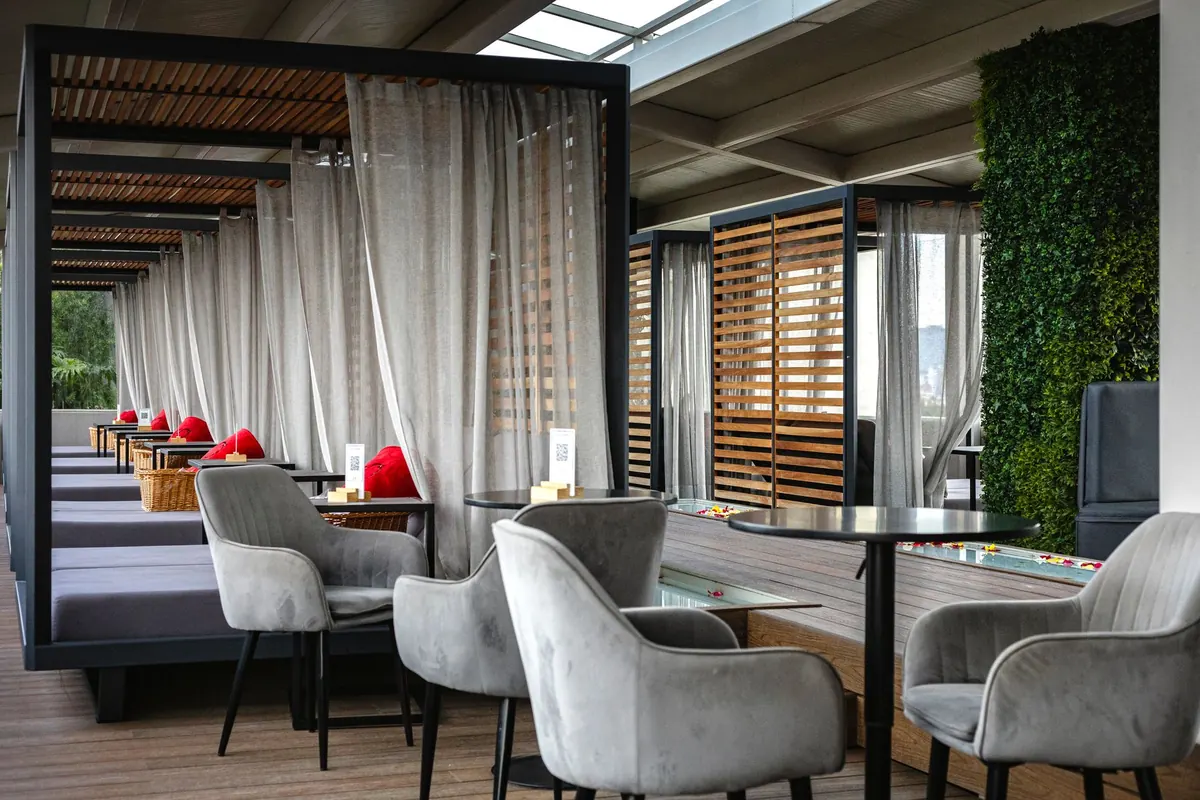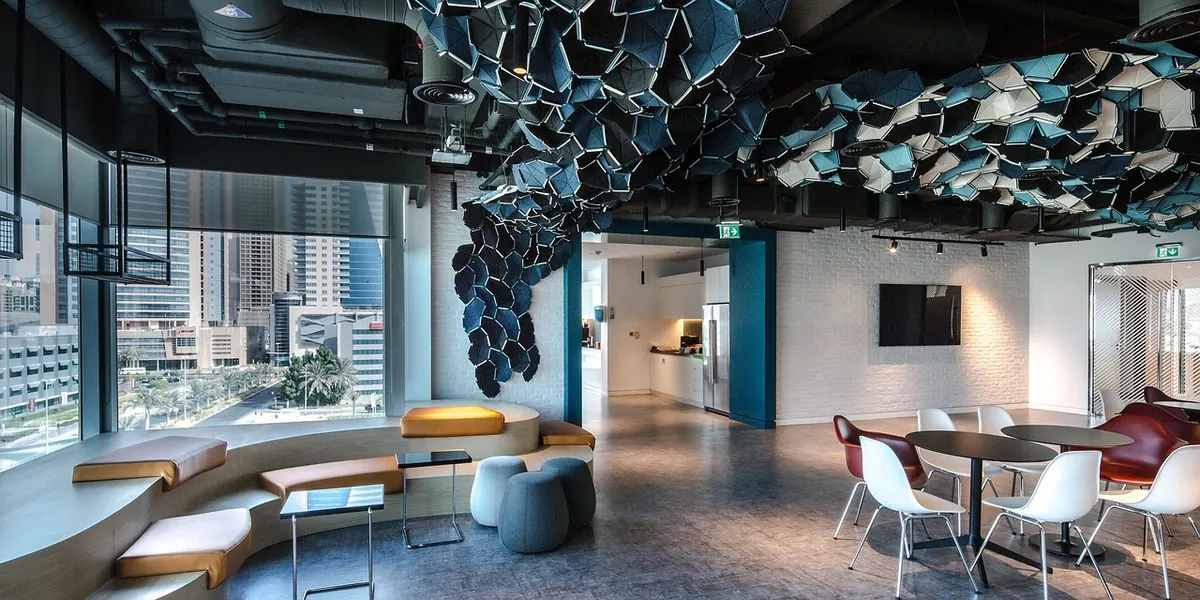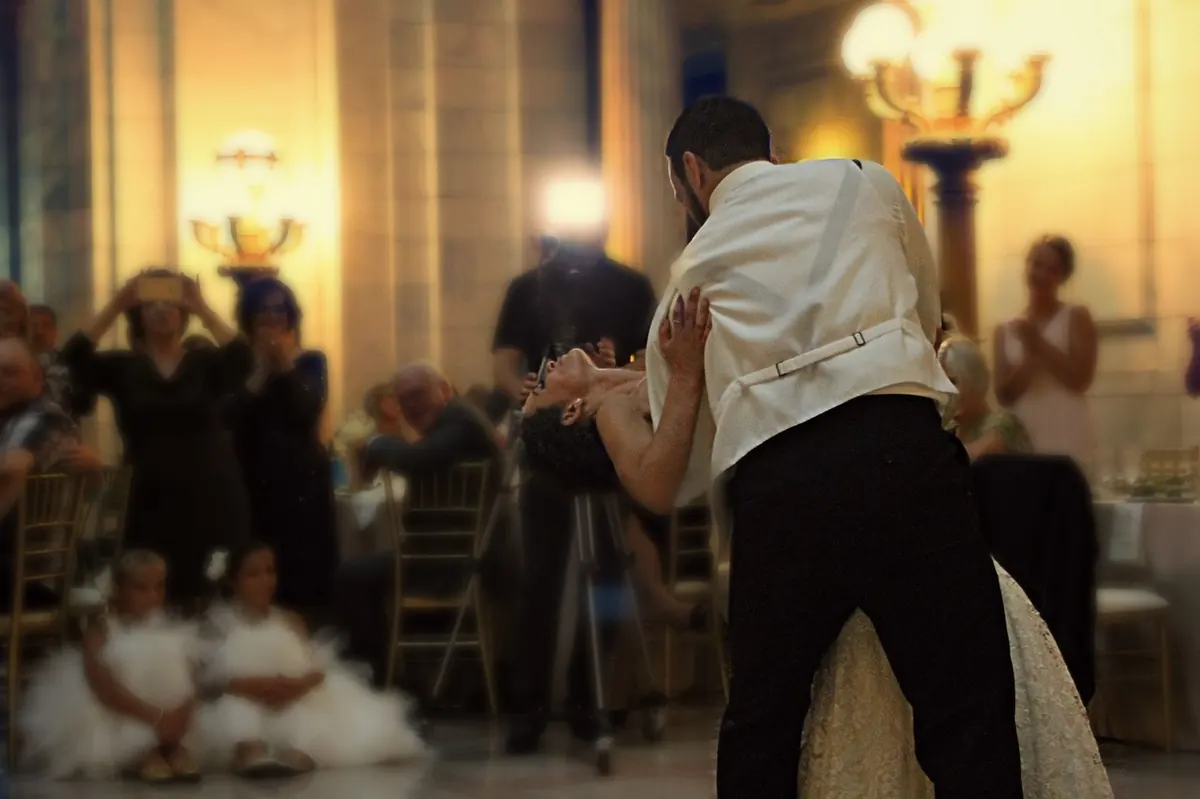
The first time you walk into a hospitality lounge, the room usually does half the work for you. Low light, a quiet corner, someone who seems to know exactly when to approach the table and when to disappear. It feels effortless, and that effortlessness is the point. It is also why first visits tend to go sideways in ways guests never quite see coming. Almost none of the trouble comes from bad intentions. It comes from small assumptions: that the door is always open, that service means anything you happen to want, that a calm room is a free-for-all. Below are the missteps we see most often, and how to sidestep them so your first evening feels less like a test and more like a good habit.
Arriving Without a Reservation
A lounge is not a public square. It has a fixed number of seats, a staff rota built around expected covers, and often a quiet agreement with hotel guests who treat the room as an extension of their own stay. Showing up at half past nine on a Friday with four people and no booking is the single most common way to start the evening badly.
You may still be seated. But you may also be asked to wait, offered a seat at the bar, or turned away politely while three empty-looking tables sit reserved for guests arriving at ten.
If you have not booked
Call or message earlier the same day. Mention the time you expect to arrive, how many people are coming, and whether you want a table for drinks or something to eat. Mention anything that changes the shape of the evening: a birthday, a wheelchair, a guest who cannot manage low stools, a quiet table because you are closing a deal.
If you do arrive unbooked, ask rather than assume. "Do you have space for two for an hour?" is a question staff can work with. Wandering in and choosing a table yourself is not. And if you are told the room is full until eleven, take the answer gracefully and ask whether the bar can hold you — that small exchange is remembered on your next visit.
Misreading the Service Boundaries
Good lounge service is attentive without being constant. It is also bounded, and first-time guests often mistake warmth for unlimited scope.
The team will bring your drinks, pace your food, call you a taxi, hold a bag behind the desk, remember that you take your coffee black. They are not a concierge service for the whole city, and they are not on call to solve problems that belong to the front desk, the restaurant, or your own itinerary. Asking a server to chase a late airport transfer or to find a pharmacy that is still open pulls them away from a room that needs them.
The useful phrase is simple: "Is that something you can help with, or should I ask at reception?" It gives the team room to say yes, no, or not me. Nobody minds being asked. People mind being assumed upon.
Treating Quiet Hours as a Suggestion
Most lounges publish quiet hours, usually from late evening until morning, and sometimes a lighter version during the afternoon. Guests read them, nod, and then take a call on speaker at eleven at night because the room looks empty.
Empty is not the same as unoccupied. Sound travels in a space with hard floors and high ceilings, and it travels further when half the guests are asleep two floors above.
- Take calls in the lobby, the courtyard, or outside. Never at the table.
- Use headphones for anything with audio, including short videos.
- Drop your voice a level when the room turns dim and quiet — that shift is the signal.
- Ask at check-in when quiet hours begin. It takes five seconds and prevents the awkward knock.
- If your group is still enjoying itself after the room has emptied, move the conversation somewhere designed for it.
One more thing: a lounge at midnight is not the place to settle an argument, rehearse a speech, or take a work call with the laptop open and the speaker on. The atmosphere is part of what you are paying for, and it belongs to everyone in the room.
Expecting a Full Restaurant at Any Hour
Lounges usually run a shorter menu than the restaurant, and food service ends before the bar does. Kitchens have a rhythm: a rush, a last-orders point, a wind-down. Ordering a full dinner at a quarter to midnight and being surprised when only cold plates are available is a misread, not a betrayal.
Ask two questions when you sit down: what time does the kitchen close, and what can the bar still make after that. Then plan your evening around the answers rather than testing them. If you want a proper meal, book the restaurant and come to the lounge afterwards — most guests enjoy both far more when they are not trying to make one room do the job of the other.
Overlooking the Small Courtesies
Etiquette in a lounge is mostly about noticing. A few habits will make you the guest the team is glad to see again:
- Acknowledge the staff when you walk in, even if you are heading straight to a table you booked.
- Do not rearrange the furniture to suit your group. Ask, and someone will help you move it properly.
- Keep the volume conversational once the music softens. The room's tone is set by its guests, not only its lighting.
- Respect the dress code if there is one. Beachwear and bathrobes belong in your room, not at the bar.
- Settle your tab at the table before you drift to the door, rather than leaving staff to guess whether you have left.
Not Asking How the Bill Works
Charges in a lounge are not always identical to a restaurant's. There may be a table minimum at peak times, a service charge added to the bill, a cashless policy, or the option to charge everything to your room. None of this is a trap, but all of it is easier to handle at seven in the evening than at midnight.
Ask when you order your first round: "How does the bill work here — can I put it on the room?" It is a normal question, asked a hundred times a week, and it saves the small friction of a surprise at the end of a good night. If you are splitting a bill between several people, say so early so the team can set it up once instead of adjusting it three times.
A Short Preparation Before Your First Visit
Five minutes of thinking prevents most of the above. Book ahead, even loosely, and confirm the time. Arrive when you said you would, or send a quick message if you are running late — a table held for a guest who never turns up is a table the room cannot use. Ask what the kitchen and bar are doing that evening, and when quiet hours begin.
Then relax and let the room work. The point of a hospitality lounge is not to be serviced from every angle, but to be looked after while you get on with the evening you came for. Guests who understand that — who ask instead of assume, and who treat the quiet as shared property — tend to become regulars. That is the only real mistake worth avoiding.
Photo: StockSnap / Pixabay